
It only takes one storm to expose every weakness in a rental you thought was secure. Orlando landlords know how quickly hurricane season tests a property's limits, especially when heavy rain and strong winds move through Central Florida with little warning. Even if a storm never makes landfall, the outer bands alone can bring flooding, power outages, and wind damage across the region.
That's why preparation is more than a seasonal chore. It's a crucial part of protecting your investment and ensuring your tenants' safety. Knowing what to do in case of calamities can save you and your rentals from total disaster.
In this guide, we'll walk through practical steps Orlando landlords can take before severe weather hits.
Key Takeaways
- Orlando rentals benefit from early inspections and preventive upgrades before hurricane season.
- Landscaping, roofing, windows, and drainage systems need special attention in Central Florida.
- Clear communication with tenants reduces safety risks and confusion during storms.
- Documentation and insurance preparation help landlords recover faster after a storm.
Understanding Orlando's Hurricane and Storm Risks
Orlando's weather can shift quickly during hurricane season, and landlords benefit from knowing what their properties are up against. Central Florida faces several storm threats that can affect rentals in different ways.
Below are some of the most common storm patterns in Central Florida that every landlord should get to know.
Typical storm patterns in Central Florida
Central Florida avoids the full force of many coastal hurricanes, but Orlando still experiences strong winds, flash flooding, and heavy rainfall every year. Tropical storms often move inland with enough force to damage roofing, siding, and landscaping. Inland flooding is a common occurrence, particularly in low-lying neighborhoods and older communities. Even without a direct hit, Orlando properties remain exposed to unpredictable weather shifts.
Hurricane season timeline and what landlords should expect
Florida's hurricane season runs from June through November, with activity peaking from mid-August to early October. Landlords should expect multiple storm advisories, heavy afternoon downpours, threats of power outages, and possible local flooding. Past storms, such as Irma and Ian, have shown how quickly conditions can escalate across Central Florida. Early preparation enables owners to focus on safety rather than making last-minute fixes.
Essential Property Preparation for Orlando Rentals
With storm risks in mind, it's time to focus on the areas of your rental that require the most attention. The following steps help Orlando landlords reduce damage and protect long-term value.
Inspecting the roof, windows, and exterior structures
Roofs take the brunt of storm damage. Orlando landlords should check for loose shingles, cracked tiles, and signs of moisture intrusion. A licensed professional should inspect older roofs before the start of the season. Windows and doors deserve equal attention. Reinforced frames, updated weatherstripping, and properly installed shutters reduce the chance of broken glass and water entry. Fencing, sheds, and carports also need secure anchor points to prevent shifting during strong winds.
Securing outdoor areas and common spaces
Outdoor debris becomes dangerous during storms. Trim dead branches, remove fallen limbs, and cut back overgrown trees near the home. Patio furniture, grills, play structures, and poolside items must be secured or stored. Communities with shared areas should confirm that walkways, parking lots, and recreational spaces remain clear. Landlords with multiple units benefit from routine landscaping checks throughout the season.
Flood and water intrusion prevention
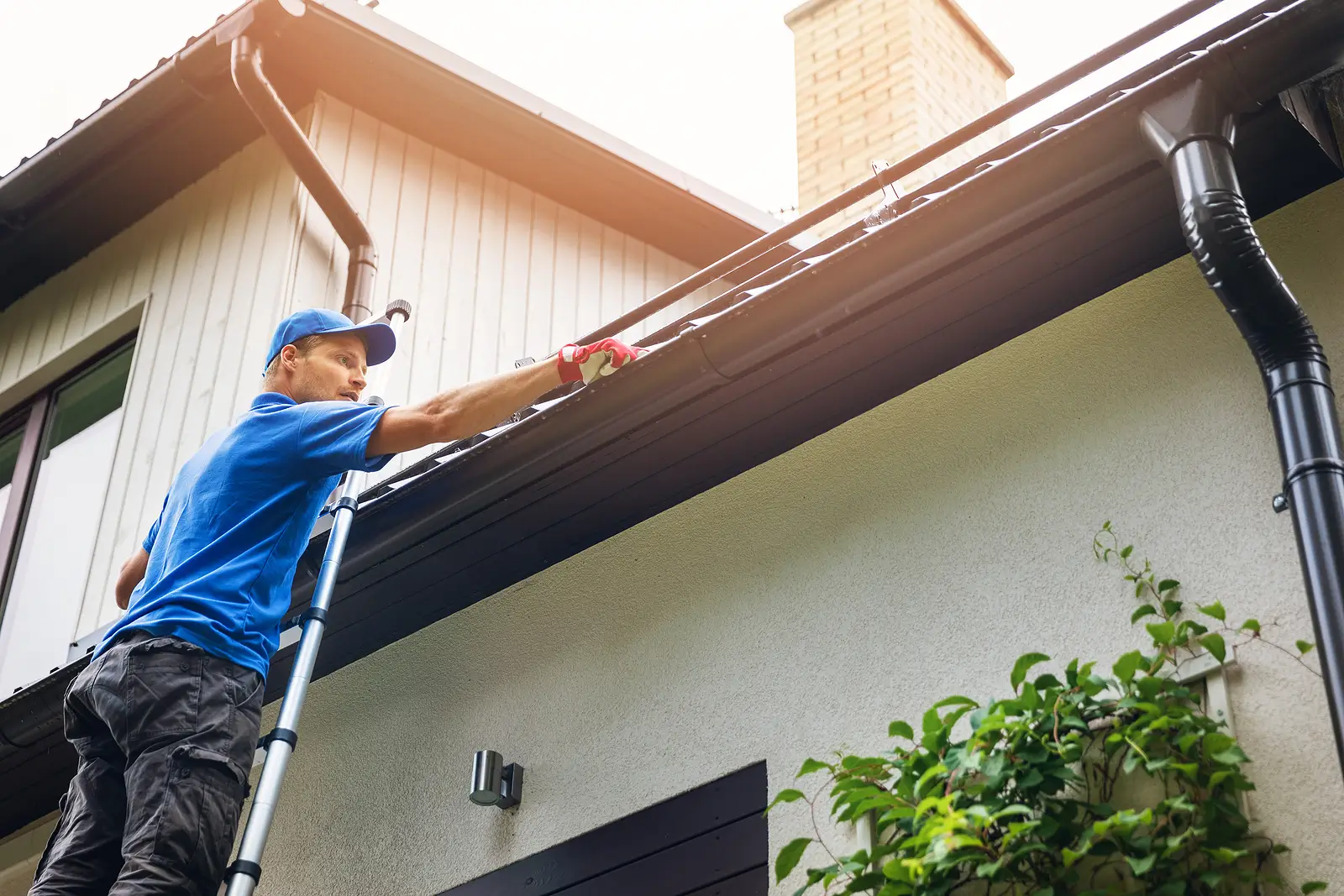
Proper drainage limits flooding around the foundation. Clear gutters and downspouts, check for standing water after heavy rain, and grade soil so water flows away from the home. Sealing small cracks along the exterior walls helps prevent wind-driven rain from entering the house. Some properties may need sump pumps or upgraded drainage systems if water pooling is a recurring issue. Moisture problems worsen quickly in Florida's humid climate, so prevention saves money over time.
Protecting Systems and Utilities Before a Storm
A strong structure is only half the battle. Your HVAC, electrical, and plumbing systems also need support to withstand severe weather. This section covers the key steps.
Preparing HVAC systems for heavy winds and rain
Air conditioning units are essential in Orlando, especially during storm season. Secure outdoor HVAC equipment with manufacturer-approved straps and ensure the area is free of loose debris. Filters and coils should be cleaned so the system runs efficiently before and after severe weather. Elevated platforms are useful for homes in flood-prone zones.
Safeguarding electrical and plumbing systems
Power surges can damage appliances and building systems, so surge protectors and updated breaker panels make a difference. Plumbers can install backflow valves to reduce the risk of sewage backup during flooding. Inspect exposed wiring and confirm that exterior outlets have proper waterproof covers.
Backup power considerations
Generators keep essential systems running after an outage. Portable units are suitable for smaller rentals, while whole-home generators are better suited for larger properties or multi-unit homes. Tenants need clear instructions for safe use. Landlords should follow local regulations and building codes when installing permanent equipment.
Tenant Communication and Preparedness
Sharing emergency procedures and contacts
Tenants rely on landlords for information during storm season. Provide emergency contacts, local shelter lists, and maintenance request steps before storms occur. Clear communication reduces panic and instills confidence in residents. Include reminders about personal safety, such as avoiding flooded roadways and securing valuables.
Sending pre-storm checklists to tenants
A simple checklist helps residents protect their homes. Please encourage them to bring in loose outdoor items, close shutters, move valuables away from windows, and charge devices before the storm hits. If the rental includes smart home technology, provide instructions on safe use during outages.
Clarifying landlord vs tenant responsibilities
Florida law guides what landlords must maintain during storm season. Owners handle structural repairs, roof integrity, and significant systems. Tenants are responsible for their own belongings and for maintaining the basic interior upkeep of the premises. Clarifying these expectations early prevents disagreements if damage happens.
Post Storm Assessment and Repairs
Even the best preparation plan falls short if tenants are unsure of what to do. This section focuses on the information and guidance every Orlando renter should receive before hurricane season begins.
Conducting safe inspections after a storm
Safety must come first. Do not enter the property until officials confirm that conditions are stable. Look for downed power lines, damaged trees, broken glass, and visible signs of structural damage. A licensed inspector or contractor should inspect and address any areas that are questionable. Professional assessments protect both the property and the landlord from unnecessary risk.
Managing tenant needs and repairs efficiently.
Clear communication keeps tenants informed during the repair process. Provide realistic timelines and coordinate temporary housing if the unit cannot be occupied. Contact your insurance adjuster promptly and maintain written records of every repair request. Quick action reduces secondary damage, such as mold or water saturation.
Frequently Asked Questions about Hurricane Preparation for Orlando Rentals
How early should landlords begin preparing their rentals for hurricane season?
Most Orlando landlords benefit from starting preparations in the spring. This provides sufficient time for inspections, contractor scheduling, and any necessary repairs before the end of June.
Can landlords require tenants to follow specific storm preparation steps?
Landlords can provide guidelines, but tenants must voluntarily follow them unless the lease clearly states otherwise. Many owners add simple checklists to encourage cooperation.
Should landlords provide tenants with updates during a storm?
It's helpful to send brief check-ins before and after a storm, but communication during the event should focus on safety and essential instructions only.
Take the Next Step in Protecting Your Orlando Rental
Preparing for hurricane season does not have to feel overwhelming. Orlando landlords who take things step by step usually find that early planning removes most of the stress. Minor adjustments, clear communication, and steady upkeep make a big difference when storms approach Central Florida. Simple actions like checking the roof, updating drainage, or guiding tenants through basic safety steps can prevent issues that lead to costly repairs later.
The goal is to stay ahead of problems, protect your investment, and give your tenants confidence that their home is a safe and secure environment. When renters trust that their landlord is prepared, they respond more effectively during emergencies and report damage more promptly. This creates a smoother experience for everyone and helps your property recover faster after severe weather.
If you want support managing these tasks or need a team that understands Orlando's storm challenges, Right House Realty is ready to help. Contact us and learn how our property management services can keep your rental prepared and protected throughout the year.
More Resources:
- How Orlando's Booming Job Market Is Driving Rental Demand in 2026
- How Do You Calculate Prorated Rent in Orlando, FL?
- What's Next After Buying Your First Rental Property in Orlando, FL?